






























Timeline of Key Events
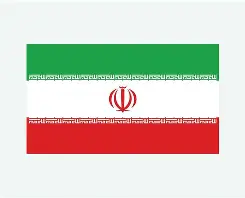
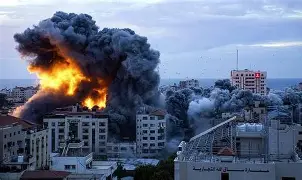
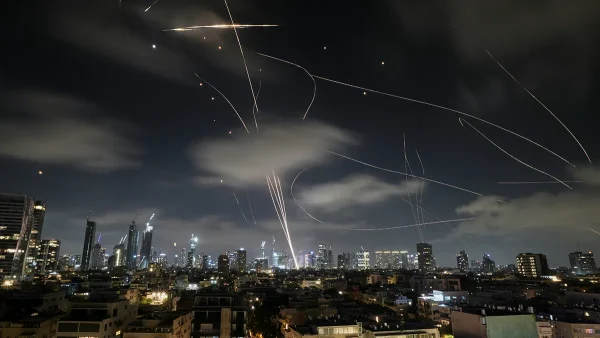
In early June 2025, Israel’s airstrike happened. Isreal launched a surprise attack with air and missile strikes within Iran. Which hit a bunch of military sites and some nuclear sites. Evidence shows satellite images showing explosions at Iran’s military facilities. Isreal said the attacks were to stop Iran’s progress, Iran was building nuclear weapons, which could be very dangerous.
Cease-Fire, June 24, 2025.
After 12 days of intense fighting, both sides agreed to stop their attacks. A truce was made, but no peace deal was signed, but rather a temporary halt. During this the U.S. and European mediation, which they stopped fighting with them too.
Current Situation November 2025
Iran’s and Isreal’s Positions
Iran’s Supreme Leader Ayatollah Khamenei said that allying with the U.S. is “impossible” if the U.S. supports Israel. They insist that their missile program is “self-defense”. And they won’t stop, because of their claim. But Israel’s Prime minister Benjamin Netanyahu, has warned that Iran is “still a threat” and Israel is prepared and ready for another round of fighting, if necessary. Israel continues to have cyber operations and intelligence gathering against Iranian projects, regarding their military.
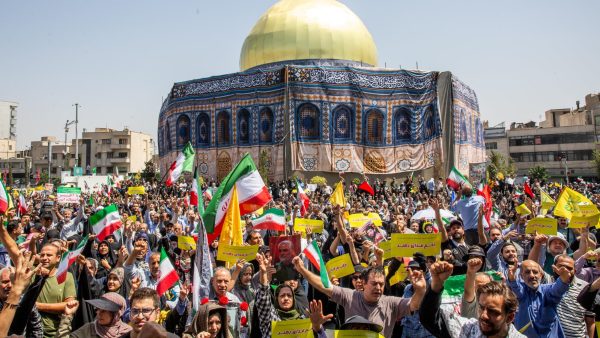
Iran’s economic position has worsened because of the war, which was caused by sanctions. Sanctions are punishments or restrictions that one country puts on another country to change its behavior without using war. Protests have been outraged because their government is spending money on war instead of the country’s needs.
International and Regional Impact
The U.S. did try to support with Israel’s right to defend itself, but they urged to restraint. Which they did to avoid a regional war. Gulf countries like Saudi Arabia and the UAE were worried about fighting spreading to the Strait of Hormuz, which they handle about 20% of global oil shipments. And if the war spread, that could be dangerous, and their economy could drop significantly due to not being able to get oil out of the country.
Iranian groups like Hezbollah and Houthis increased Iran’s rocket attacks during the war, which might’ve been unnecessary due to them not being a part of Iran’s military defense.
Human Cost and Civilian Impact
A lot of people have been injured due to the war; Iranian civilians near military sites have faced explosions, loss of homes, and hospital shortages. That would make civilians displaced from their families, not being able to be in shelters or have any protection and not having safety measures to care for the injured. Over 200 people were wounded, of June 2025, and more have been wounded and or killed since then. Thousands have been displaced or evacuated from the border regions.
Who’s responsible? From 3 different views
Israel’s view is that Iran has very dangerous nuclear progress and proxy attacks, which made them send military action. They said that it was “necessary for survival”. But unlike Israel, Iran thinks that Israel’s strikes were illegal and unprovoked, violating their sovereignty.
From a neutral view, both sides escalated to much, one through weapons, the other through rhetoric and nuclear ambition. Experts agree that the deeper problem is distrust and lack of communication between the two governments. Both sides could be sided with in different points a view, but both are also in the wrong. A bunch of people have been hurt, wounded, killed because of this war.
What’s at stake going forward?
If peace talks fail, another war could erupt, Iran continues enriching uranium close to weapon-grade levels, raising fears that it could make a nuclear bomb. Israel warns that it will strike again if Iran nears to the point of nuclear bombs, saying it “wont allow a nuclear Iran.”
A new conflict could destabilize the middle east, the raise of global oil prices, and pull in major powers like the U.S., Russia, and China. Which could be bad and the tensions can easily spread far beyond both nations.
Conclusion
The 2025 Israel-Iran conflict was short but intense, it made a fragile peace in the Middle East. Unless both sides move to agreement and transparency, the region risks another dangerous cycle of war. The tensions are high with mistrust, fear, sanctions, and cease fire.