





































Despite being a common health issue, surprisingly, many individuals are not aware of the warning signs and solutions for maintaining heart health. First and foremost, it is essential to understand the risk factors and warning signs of heart disease. Some of the common risk factors include high blood pressure, high cholesterol, sedentary lifestyle, smoking, and unhealthy dieting. While these factors can increase the likelihood of heart disease, it is essential to note that heart problems can occur even in individuals with no apparent risk factors. Therefore, it is crucial to pay attention to any warning signs that your body may be giving you.
 One of the most common early warning signs of heart disease is chest pain or discomfort. This can be described as a feeling of pressure, tightness, or fullness in the chest. It may also be accompanied by discomfort in the arms, back, neck, or jaw. This pain may occur during physical activity or at rest and may last for a few minutes or go away and come back. If you experience chest pain, it is crucial to seek medical attention immediately. Another sign of heart problems is shortness of breath. This can occur during physical activity or even when at rest. It may feel like you are unable to catch your breath, or you may feel breathless after minimal exertion. In severe cases, individuals may even experience shortness of breath while lying down. If you experience any difficulty breathing, it is vital to consult a doctor.
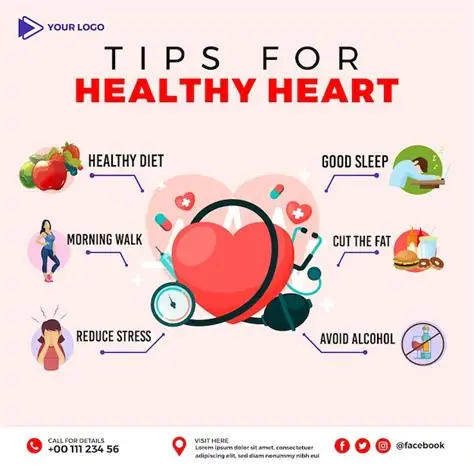
Aside from the warning signs, there are also solutions for maintaining heart health. One of the most effective solutions is adopting a healthy lifestyle. This includes eating a well-balanced diet, engaging in regular exercise, and quitting unhealthy habits such as smoking. A healthy diet should consist of plenty of fruits, vegetables, whole grains, and lean proteins. It is also essential to limit your intake of saturated fats, sodium, and added sugars. Regular exercise is also crucial for maintaining a healthy heart. It helps improve blood circulation, lowers blood pressure, and strengthens the heart muscle. Aim for at least 30 minutes of moderate to vigorous exercise five times a week. This can include activities such as brisk walking, running, cycling, or swimming.
In cases where individuals have pre-existing risk factors, it is essential to manage them effectively. This may involve taking medication prescribed by a doctor to control conditions such as high blood pressure and high cholesterol. It is also crucial to monitor these risk factors regularly to ensure they are well managed. It is also vital to mention the importance of regular check-ups and screenings. These can help identify any potential heart problems early on and allow for prompt treatment. It is recommended to have a comprehensive health check-up annually, and for individuals with a family history of heart disease or existing risk factors, more frequent check-ups may be necessary.
Heart health should not be taken lightly. It is important to be aware of the warning signs and risk factors and to take necessary steps to maintain a healthy heart. Adopting a healthy lifestyle, managing risk factors, and regular check-ups can go a long way in preventing heart disease.