




































The art of driving, having to look both ways in almost every situation, using a steady hand to turn the wheel, and staying at a certain speed limit. Some say they love it, while others would rather

walk. There are plenty of steps and factors that go into learning how to drive. These steps may look different for everyone, whether that be getting over a fear or simply spending extra time studying. Though for some it can be difficult to drive, when road rage, fear, and lack of experience or knowledge come into play, there are plenty of tricks to use.
First, driving may start as early as 14, with a TIP card , at this time behind the wheel instruction is given. A TIP card, (temporary instructional permit card), in Louisiana is a mandatory document required for all first-time drivers ed students (aged 14+) to legally participate in classroom instruction, behind-the-wheel training, and skills tests. With the TIP card, a student is eligible to take drivers ed, a 38-hour course that ends with a final road skills test. When the student passes, they are able to get a learners permit when they turn 15, which they must hold for at least 180 days (with no accidents). At 16, an intermediate license is given, and a permit is given to pass a road skills test. Finally, at 17, the students are given a full license.
The process of driving begins with drivers ed, a class where you can learn the road without being on the road. In this class, students learn about traffic

laws, road signs, and defensive driving techniques. Students also learn essential vehicle operation such as steering, braking, and parking, along with hazard management, passenger safety, and alcohol/drug awareness. From my driver’s ed experience, at the end of each learning session, there was a test to see if we absorbed the material.
After this, I was required to get a certain amount of driving hours before being allowed to take the final driving test. The instructors recommended driving early in the morning so the student can be fully awake and aware. Being sleepy behind the wheel is dangerous. Often, my driving instructor would remind me of my position on the road, mostly when I had to turn. Each driving session was two hours long. When my required driving hours were reached, a two-hour driving test was required to seal the deal and complete the course. Going 5 miles above the speed limit or taking the wrong turn would result in failure on your final test.
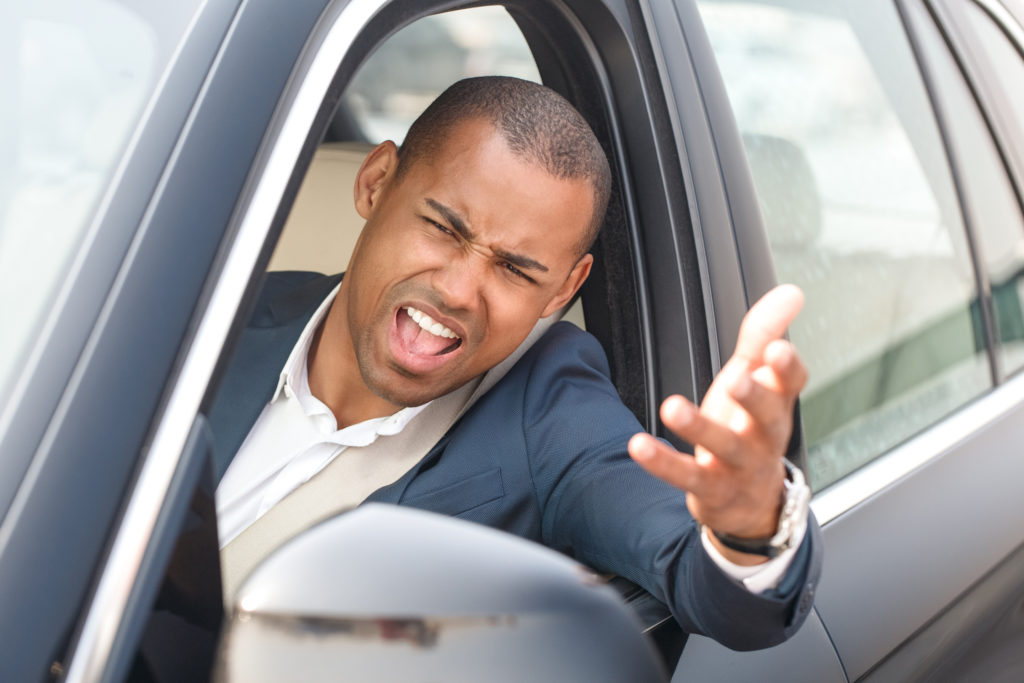
Nervousness, fear, and road rage are very dangerous when it comes to driving. Being nervous and afraid is completely natural when first driving, however making rash decisions or possibly overlooking something due to emotional states is dangerous. Road rage can cause erratic and harmful actions that affect not only the driver but those around the driver. It’s important to keep yourself calm and grounded when driving, as well as being fully awake and aware. Road rage is extremely common.
Personally, when I first began to drive, I was quite nervous. I had the knowledge of driver’s ed and knew how to do everting I needed to do on paper, however behind the wheel I was uneasy. At first, even 20 mph felt fast. With plenty of time, experience, practice, and patience I eventually became comfortable with going up to and over 60 miles per hour. Driving longer distances became easier, and going on the freeway, interstate, and even small, tight fit streets became more comfortable. My confidence behind the wheel grew by the week.