

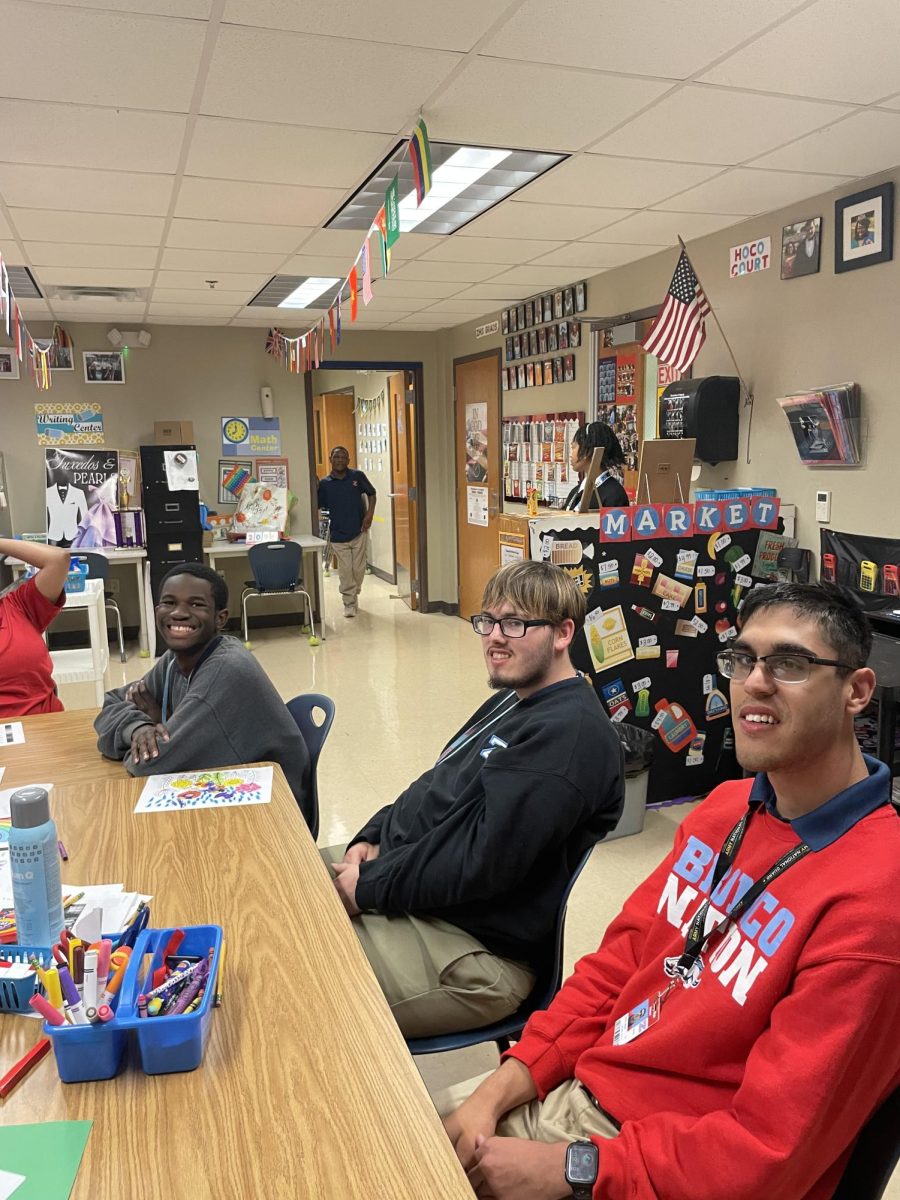















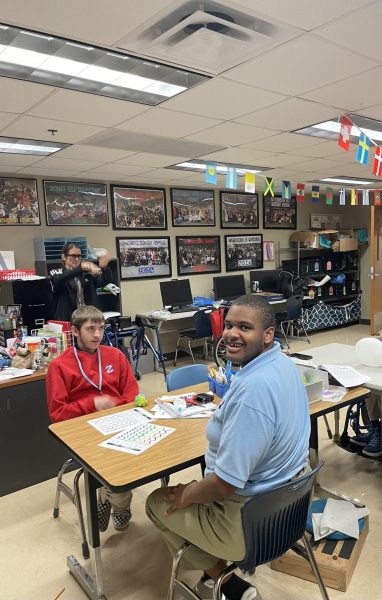
For years, SPED students have been mistreated and misinterpreted. Things like pervasive myths, hidden disabilities, and a lack of recognition can easily be the reason why SPED students are misinterpreted. Misconceptions such as equating special education with low intelligence, create unfair beliefs and stereotypes, while behavior issues are frequently misread as willful disobedience rather than communication of needs.
Many students have learning or emotional disabilities that are not immediately apparent, leading others to mistake their struggles for laziness, poor attitude, or lack of motivation. There is a common, incorrect assumption that needing specialized support means a student is incapable of high-level learning. This results in lowered academic expectations, which stunts growth and motivation. Many people incorrectly equate special education with low intelligence, failing to recognize that many students have average or above-average IQs but require different learning pathways. Educators may lack the training to understand specific, individualized needs, and the system often struggles to provide adequate support, leading to confusion and frustration for both students and staff. Behavioral issues are sometimes misinterpreted as willful disobedience rather than disability or an unmet need, leading to inappropriate disciplinary measures rather than support. Low-income students and students of color are disproportionately placed into, or denied access to, special education services due to biased, subjective assessments, leading to misunderstanding their true abilities. Misunderstandings about the role of dedicated staff members can lead to misconceptions about student dependence rather than recognizing these tools, as necessary.
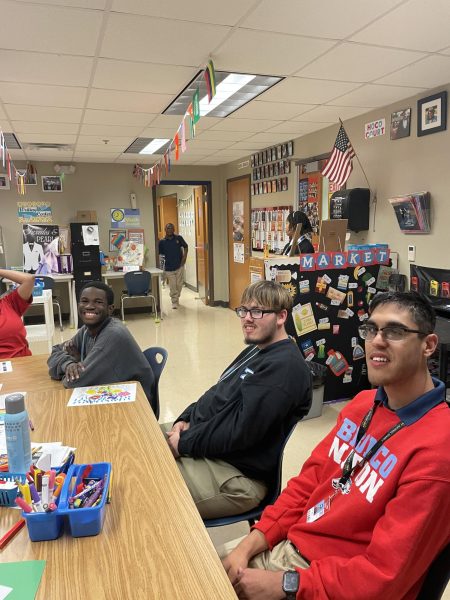
Not only are special needs students misunderstood, but they are also mistreated. Schools frequently use physical restraint and seclusion as a first response to behaviors, rather than a last resort, which causes physical and psychological trauma. Things like vulnerability and communication make special needs students make them easy targets for other students at school. Students with disabilities are two to three times more likely to be bullied than their peers, often finding school environments unsafe. Furthermore, if a special needs student does something seen as something funny or humorous then peers will often say something ablest and untrue.
Overall, students with special needs are often misunderstood and mistreated. Things like miscommunication can lead to unfair treatment that tend to be harmful. However, we can overturn this behavior from other students to allow special needs students to learn in a safer and fairly treated environment.