



































All around the world education regarding women’s health has proved to be little. It’s incredibly important to understand health so one may live a good life. Controversies within women’s health
can be found in just about any industry, from the TikTok toothpaste incident to the feminine products containing harmful ingredients for women. It’s important for women to understand how they operate and know how to meet ever health need. However, it’s alarming how many women are unaware of just what those needs are. The market for healthy alternatives, even though marketed to society, sometimes does not provide what women need.
Women’s health can span all the way to your toothpaste container. It has been studied that most toothpaste sold to society is not beneficial to women. As said in this study, So apparently toothpaste is made for men, women are more likely to get cavities because their pH level is not taken into consideration. Even Dr. Ellie Phillips, a dentist, spoke on the topic within the study, claiming she was taught wrongly about women’s pH levels in dental school. There are also times when women must consume a different diet, despite having been taught a “Well Rounded Plate” is all one needs. Women need more iron, calcium, and vitamin D at certain times. These following professionals share their knowledge to help women grow in health.
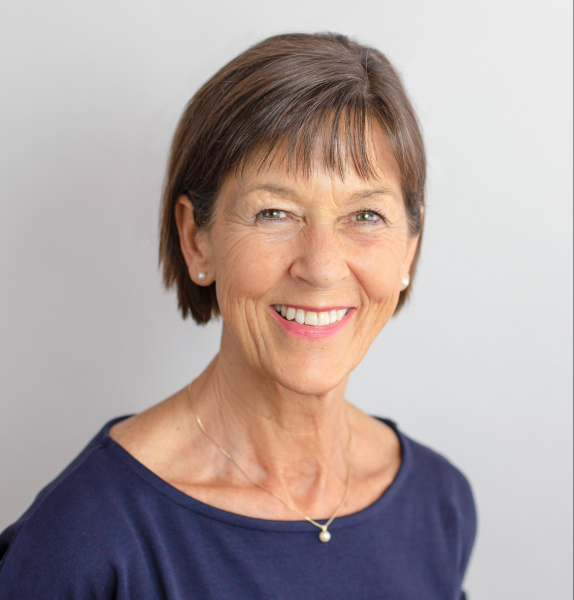
One of the main topics that comes to mind when overall health is brough up is diet. A good dietary plan ensures your body has the energy and nutrients it needs to grow and function properly. Alexis Motely, a well experienced pediatrician, shares her own professional opinion when it comes to the health of women. She has been a Registered Dietitian Nutritionist for over 12 years, and throughout her career she’s worked in higher education, community education, and public health. Her work focuses on nutrition, food access, and preparation for the next generations.
Motley expresses how women’s dietary needs differ from men’s due to hormonal changes. Those needs will shift throughout a woman’s life as she grows and matures. Things like pregnancy,
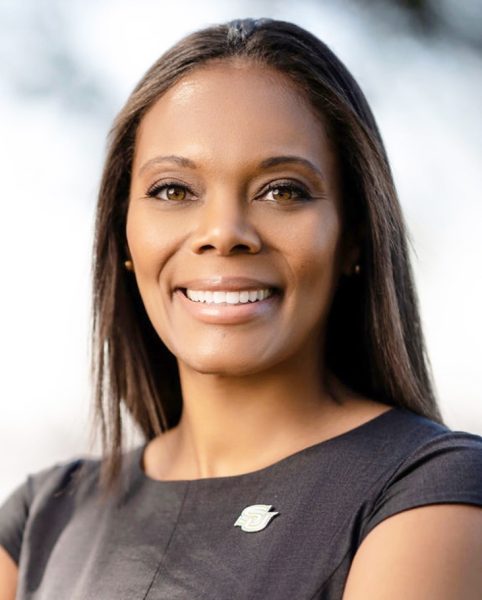
postpartum, and menopause can affect what she may need at the time. Nutritional health is incredibly important and should be approached in a way that supports long-term health and overall wellness, no matter what faze of life one may be in.
“Women often require higher amounts of certain nutrients such as iron, calcium, and folate. Nutritional needs can also shift throughout a woman’s life,” said Motley.
There are also several ways women can maintain their dietary health. While it’s important to maintain a balanced diet, as advertised within schools and online, women also should pay attention to what they need at specific times. It’s a good habit to keep track of one’s energy levels, stress, and sleep, since nutrition works best when it is part of a holistic approach to health. Motely shares her recommendations on what women should put more focus on.
“I encourage women to focus on balanced meals that include fruits, vegetables, lean proteins, whole grains, and healthy fats. It is also important to prioritize hydration, fiber intake, and nutrients that support bone health, such as calcium and vitamin D,” said Motely.
As an experienced pediatrician, Motely naturally has her own bases to be found on. You can find her at Southern University A&M College in Baton Rouge, Louisiana, where she serves as the Director of the Dietetic Internship in the College of Agricultural, Human and Environmental Sciences and she is also active in community nutrition and food access initiatives.
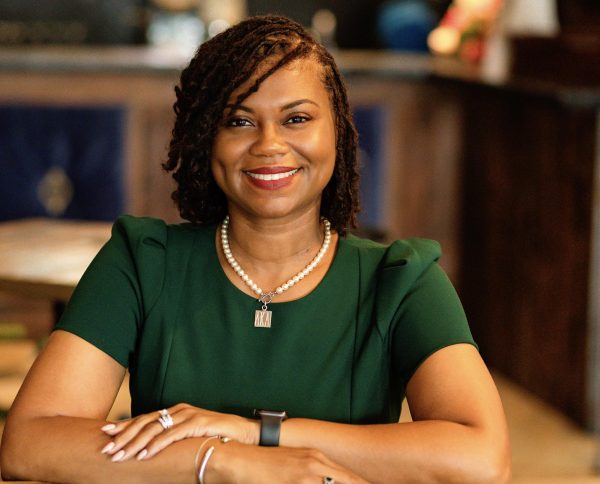
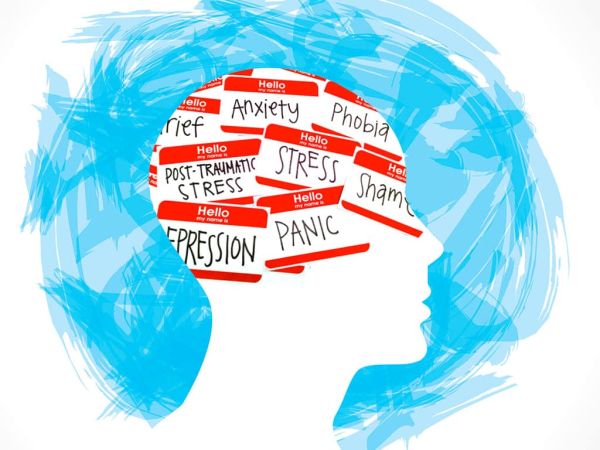
Along with dietary and nutritional health, mental health is important. When it comes to emotions like depression, anger, or frustration, it’s important to understand how to regulate and understand. Historically, the public’s view on women’s mental health centered around their “hysteria”. As seen in this study, Women And Hysteria In The History Of Mental Health – PMC, women are often seen as being more sensitive and hysterical than men. Despite this belief, modern information shows women mental health needs just differ from men’s, with most women not knowing how to tend to their mental health needs. Myiesha Beard , a psychiatrist, has plenty of experience in this field and can accurately share her knowledge on this topic. Beard has been a Clinician for 21 years, serving in school, public, residential service centers and private practice.
Beard explains how women respond to mental health issues. Rather than waiting to improve, women often seek help at their standpoint. Acting upon a problem immediately helps smoothen the path to success rather than letting the path get rougher over time. This method differs from men’s, as they seek services for nontraditional counseling needs such as employment services or assessments.
“Women are more likely to seek services prior to the issue progressing than men and without a clinical diagnosis already in place,” said Beard.
When wanting to maintain long lasting good mental health, it’s good to understand your emotions and what may cause emotional flare ups. Managing stress is key to keeping a healthy mind. Things like silent self-reflection, journaling, and shadow work questions can be a big help. A good habit to develop is providing time and space for rest to reduce mental strain. Beard shares her own suggestions on how women can maintain good mental health long term.
“It is important for women to check in with their emotions on a regular basis and not ignore the signs and symptoms of transitions and change as well as unresolved trauma and childhood issues,” said Beard.
Nurses account for emotional and physical care. Tyquinisa Stewart is currently an adjunct clinical instructor at both Southern University and Baton Rouge Community College. She began teaching
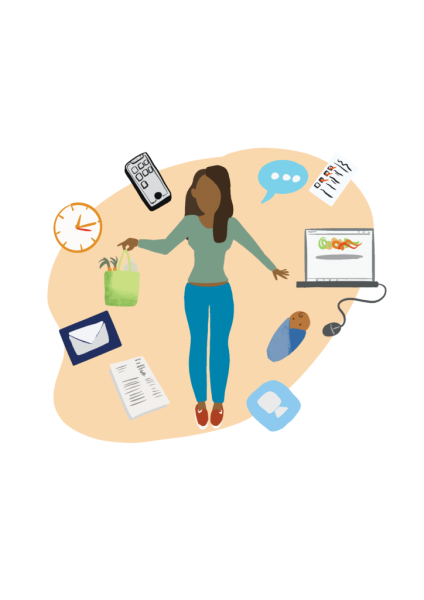
at Southern University in 2025 and started at BRCC soon after. As nurses provide care for the patient as well as emotional care, they have plenty of knowledge on the wellbeing of women and girls. Stewart shares her goals, explaining why she wants to pursue being a nurse.
“In addition to teaching, I am pursuing my Doctor of Nursing Practice (DNP) degree,” said Stewart. Stewart believes that women’s health should differ from men’s in certain ways. Women go through unique life stages: menstruation, pregnancy, childbirth, postpartum recovery, and menopause that require specialized healthcare and monitoring. However, there are many other factors that play into health. There are plenty of emotional and social factors. Because of this, women’s healthcare should be holistic, addressing not only physical health but also emotional well-being, nutrition, stress management, and access to supportive resources.
Stewart believes that women’s health should differ from men’s in certain ways. Women go through unique life stages: menstruation, pregnancy, childbirth, postpartum recovery, and menopause that require specialized healthcare and monitoring. However, there are many other factors that play into health. There are plenty of emotional and social factors. Because of this, women’s healthcare should be holistic, addressing not only physical health but also emotional well-being, nutrition, stress management, and access to supportive resources.
“Healthy habits—regular activity, balanced diet, stress management, and blood pressure monitoring—are vital,” said Stewart.
Many women may not realize the importance of heart health. Heart disease is a leading cause of death among women, yet it is often associated mostly with men. Prioritize preventive care, including routine checkups, blood pressure screenings, and regular exams. Early detection can prevent or treat many serious health conditions.
“Healthy habits—regular activity, balanced diet, stress management, and blood pressure monitoring—are vital,” said Stewart.
Studies regarding women are mostly from early 1900s, so the information is wildly inaccurate in most cases. However, as education on women’s health is being updated, more modern information is available. With this new information, it’s important for current generations for women to understand themselves and how they function for the future generations of women. Not only will women be paying respect to themselves for putting in the effort to understand themselves, but they also aid future generations of women to live in a healthier way.